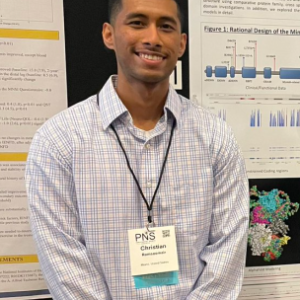
Learn Research Right
Learn how to do research the right way with Chris Ramsoomair, MD-PhD Candidate.

You’ve found a lab that genuinely interests you.
That’s huge.
Now comes the part that makes most students nervous:
reaching out.
The good news?
This isn’t about having the “perfect” résumé or knowin...
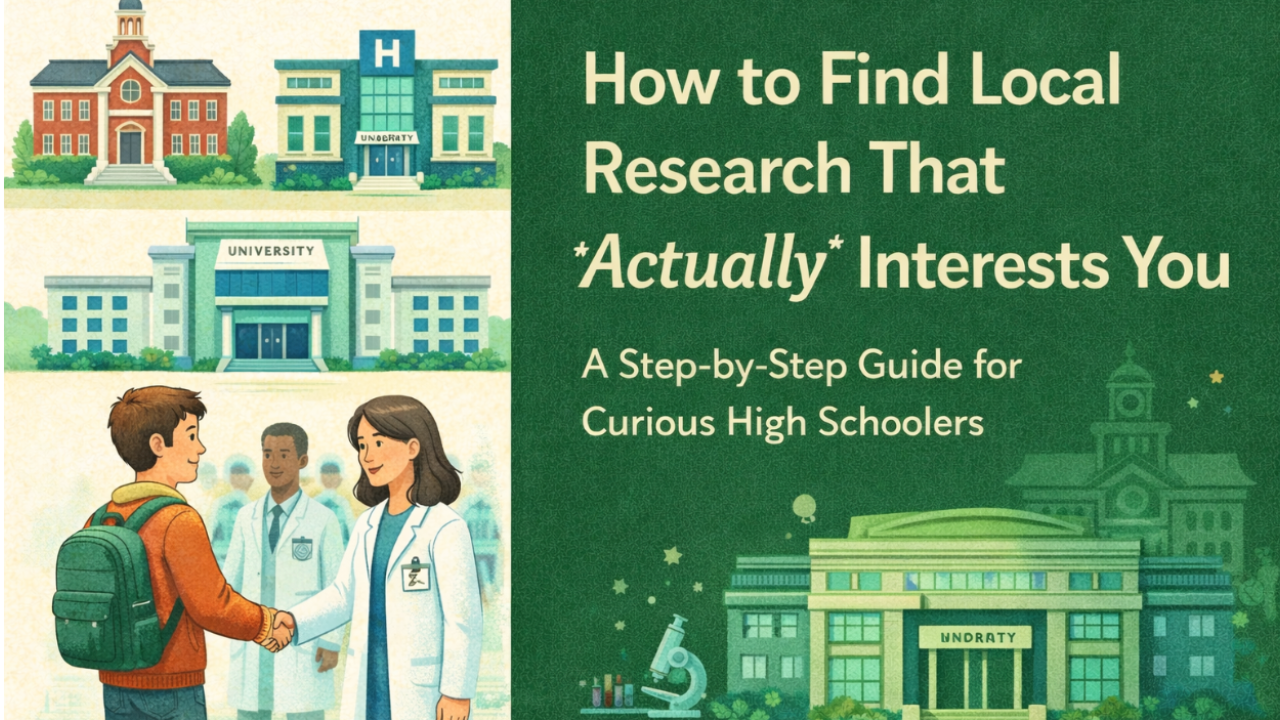
Let’s start with the honest truth:
Most students don’t avoid research because they’re “not smart enough.”
They avoid it because they don’t know where to start.
Finding research can feel like trying ...
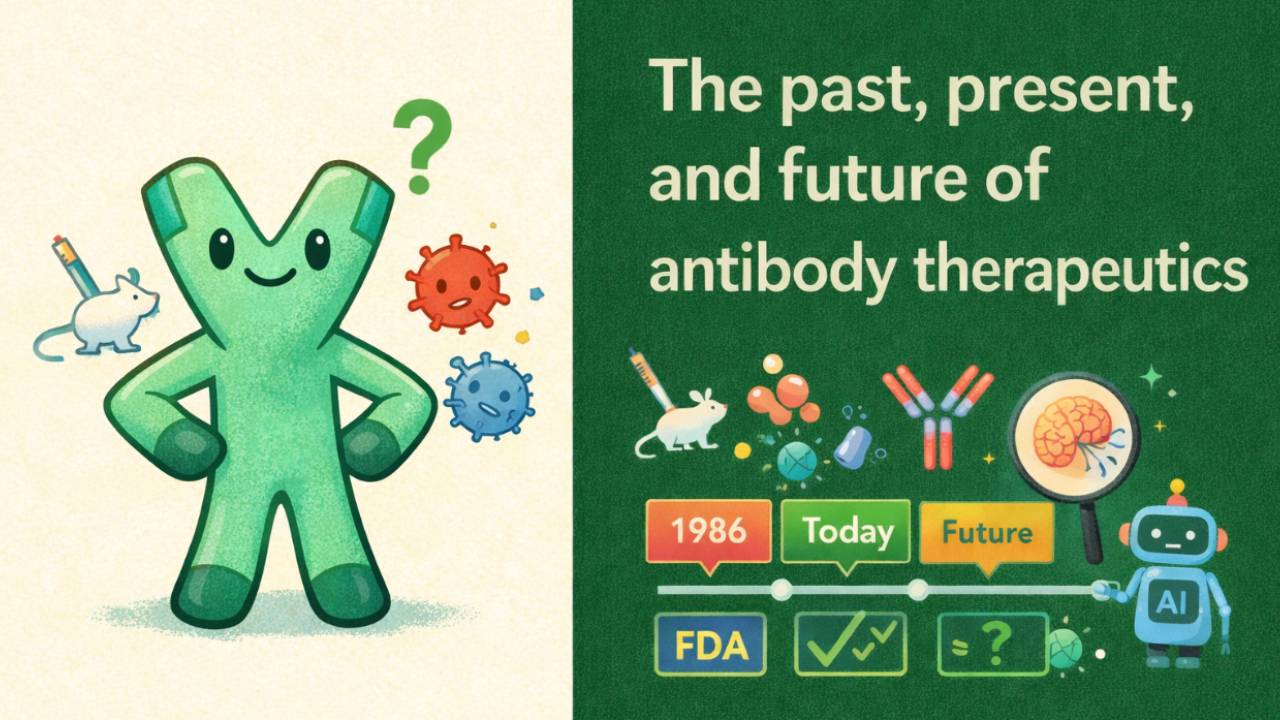
Imagine if your body had smart missiles—tiny tools that could recognize a virus, a cancer cell, or a harmful molecule and take action with incredible precision.
Good news:
You already do. They’re cal...
Let me ask you a quick question.
Have you ever opened Google Scholar…
typed in your topic…
and suddenly felt completely overwhelmed by thousands of papers staring back at you?
Yeah. That feeling isn’t...
Let me guess.
You’ve been told a hundred times how to write a good research question.
Clear.
Focused.
Novel.
Tractable.
Cool.
But here’s the problem…
Those rules don’t tell you how great research questions ar...
In my last post, I talked about how next-generation sequencing changed the game by letting us read the genome faster and cheaper than ever before. But here’s the catch: just reading DNA isn’t enough t...
If you’ve ever taken a biology class, you’ve probably heard about DNA being the “blueprint of life.” But have you ever wondered: how do scientists actually read that blueprint?
The answer has changed...

One of the biggest mistakes I made early in research was thinking that any graph was good enough as long as I “showed the data accurately.” A bar plot here, a line graph there—it didn’t matter, right?...

When I talk to students about science, I often get the same reaction: “Why would you want to do this?”
It’s a fair question. Science demands long hours, countless failed experiments, and a tolerance ...
When I first started research, I thought science was supposed to be straightforward. You ask a question, design an experiment, and then (if you’re careful) you get an answer. That’s the version of ...